
 selcukaker
Brand strategy that guides growth decisions
Brand strategy isn't a deck; it's the written answer to a few hard questions: who are you selling to, what do you promise, why should anyone trust you, and how do your sub-brands relate. Design made before those answers exist gets reopened at every meeting, however good it looks. So this work comes before the visual work, and its output is a document the team can use. Brand strategy should establish decisions that guide logo or campaign production. I define the audience, the need being addressed and the communication tone in a form that can feed directly into a design brief.
Who this is for
- Companies launching a new product, service or sub-brand.
- Businesses selling to several audiences at once whose message has scattered.
- Technical companies explaining their difference at feature level.
- Organisations considering an identity refresh who first need to decide what to say.
What I usually find
- The audience is defined as 'everyone', so no message is sharp enough.
- The value proposition is almost word-for-word what competitors say.
- Sub-brands carry names with no relationship to the master brand.
- The message is rewritten in every channel and drifts a little each time.
- Design decisions rest on personal taste rather than strategy.
Scope and deliverables
Agreed together, based on company scale and number of brands.
- Audience definition: who, in what situation, comparing against which alternative.
- Positioning: the place you claim in the market and what you give up.
- Value proposition: a one-sentence promise and three concrete reasons behind it.
- Brand architecture: how the master brand, sub-brands and product names relate.
- Message system: core sentences per audience and channel.
- Tone: how the brand speaks, with example sentences.
- Strategy document: the decisions and their reasoning, written down.
I make the call; the system speeds it up
The positioning recommendation and the final message are my work.
Meet the AI teamWhere the strategy became visible
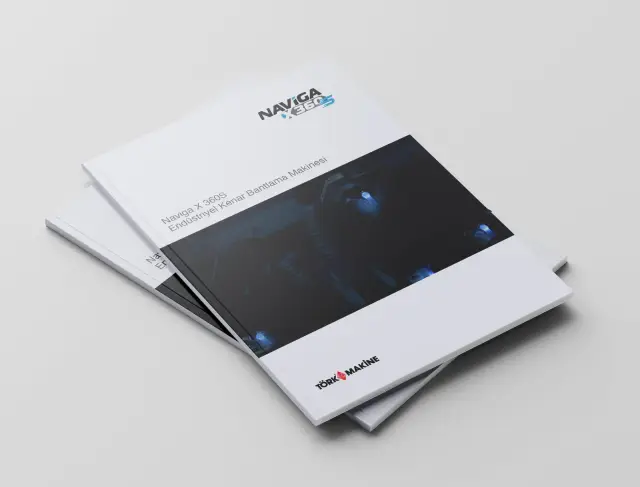
The strategy document is client-specific and isn't published. Below is production those decisions turned into.



How it runs
01
Current state
Who sells what, to whom, with what promise — captured as it is.
02
Market reading
Positions competitors hold and the gaps left open are mapped.
03
Directions
Several positioning directions are prepared and argued with reasons.
04
Decision
The chosen direction is written down with audience, promise and architecture.
05
Message system
Core sentences per channel and audience; tone defined by example.
What I don't do
These are the limits most often confused in strategy work.
- I don't run quantitative market research, surveys or focus groups; that goes through a separate supplier.
- Pricing strategy and business model consulting are out of scope.
- I don't promise revenue, market share or awareness gains.
- Strategy on its own isn't visual identity; identity is separate work.
- If the decision-maker isn't at the table, the work stays inconclusive.
Frequently asked
- Can't we go straight to identity design without strategy?
- You can, but design decisions then rest on personal taste and get reopened at every meeting. At minimum I'd suggest writing down audience, promise and tone; those three become the measure for the identity work.
- What do we end up with?
- A strategy document holding the decisions and their reasoning: audience, positioning, value proposition, brand architecture, message system and tone. It's written so your team can form the right sentence without an agency.
- What is brand architecture?
- How the master brand, sub-brands and product names relate: which stands alone, which is named under the master brand, and how a new product gets named. This is what gets tangled most as product counts grow.
- Why don't you publish the strategy document?
- It contains the company's audience, competitor assessment and decision reasoning — internal material. I can show an anonymised example in a call.
- How is the project estimate scoped?
- Audience, market knowledge, product portfolio and brand architecture needs are reviewed. Positioning and messaging are separated from visual identity production. Unverified market assumptions are not presented as research findings.
Guides on this subject
B2B Brand Positioning: Turning a Technical Product into Understandable Value
Companies with technical products describe features while the other side is looking for outcomes. Positioning work is that translation.
Brand Architecture Models: Monolithic, Sub-brand and Endorsed
As products multiply, names drift and customers can't tell which are yours. Three models, when each fits, and what switching costs.
How to Build a Brand Strategy: From Research to a Message System
Strategy isn't a deck; it's the written answer to a few hard questions. Five steps from current state to a message system.
Related services
Let's settle the decisions together
Let's write down who you sell to and what you promise; everything else builds on that.
Tell me what you need