
An e-commerce site ready to sell, integrate and grow.
Most of the loss in e-commerce comes from not finding the product and from giving up at checkout. So the project starts with the category tree and filter logic, not with design. At Concept 360°, product structure, product detail, cart and checkout flow, mobile behaviour, the search side and measurement are designed in one team; when each comes from somewhere different, the gaps between them cost sales. I treat product discovery, cart and checkout as one customer journey. Agreeing on platform and integration responsibilities alongside interface design reduces gaps between the design deliverable and a working store.
Who this is for
- Brands launching their first store who want the product structure set up properly.
- Sellers whose site exists but where visitors can't find products and filters don't help.
- Teams who need to review the flow because carts fill up but checkout is abandoned.
- Businesses whose category structure fell apart as the catalogue grew.
What I usually find
- The category tree follows warehouse logic rather than how the catalogue is actually shopped.
- Filters exist, but not for the attributes visitors actually use.
- The product page lacks what's needed to decide: size, material, shipping and returns aren't clear.
- Checkout carries unnecessary steps, and form fields are small on mobile.
- Category pages present the same title to search engines.
- Measurement isn't set up, so nobody knows at which step people are lost.
Scope and deliverables
Agreed together, based on catalogue size and sales model.
- Catalogue architecture: category tree, product attribute structure and filter logic.
- Category and listing pages: sorting, filtering and pagination behaviour.
- Product detail page: image layout, variant selection, information hierarchy and the content needed to decide.
- Cart and checkout flow: number of steps, form behaviour and error states.
- Mobile experience: touch targets, filter panel and one-handed use.
- Search side: title scheme, canonicals, structured data and content for category and product pages.
- Measurement: defining the funnel steps and making them reportable.
Our team designs; Selçuk Aker sets the creative direction
For catalogue structure, interface and the purchase flow, the creative direction comes from Selçuk Aker and the design from our team. AI tools support drafting category and product copy, reading competitor catalogues, scanning for gaps on the search side and compiling measurement data. The creative direction stays consistent while high-volume catalogue work moves faster.
See the role of AI toolsE-commerce and marketplace work
Below are projects where I designed e-commerce and marketplace interfaces. Each detail page states the scope.
E-Commerce
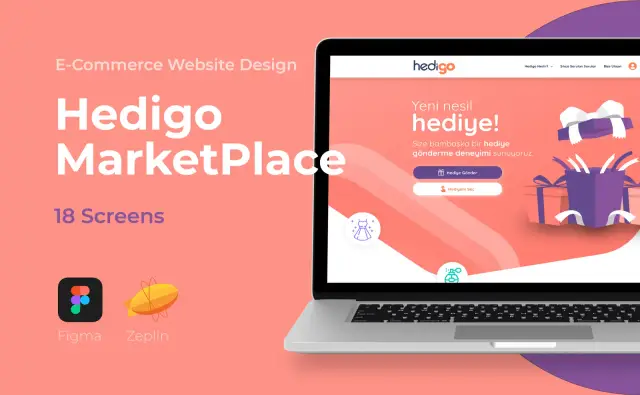
Hedigo Market Place
A gift-focused marketplace; an e-commerce design with personalised recommendation flows.
E-Commerce
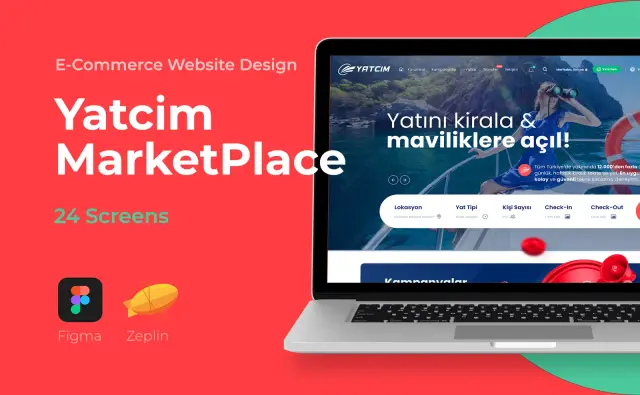
Yatcim
Yacht charter marketplace; boat profiles, availability calendar and secure payment flow.
E-Commerce
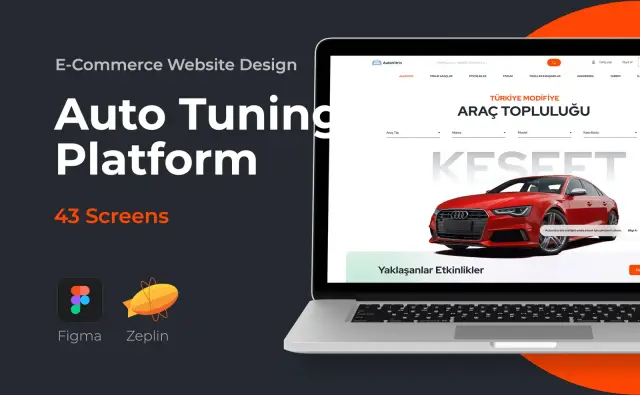
Turkey Auto Tuning Platform
Marketplace design for automotive accessories and tuning parts.
E-Commerce
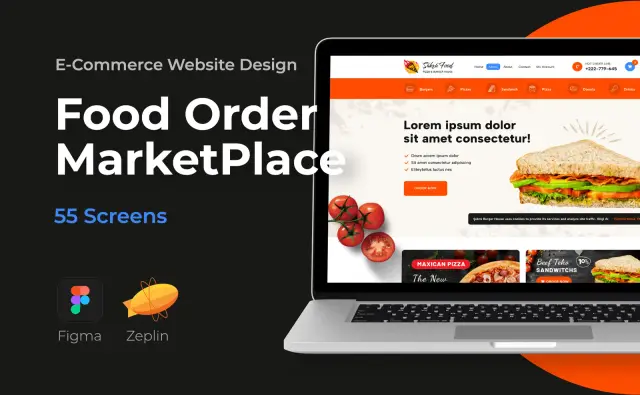
Food Order
Online food ordering; an e-commerce experience with a restaurant storefront and an optimised cart.
E-Commerce
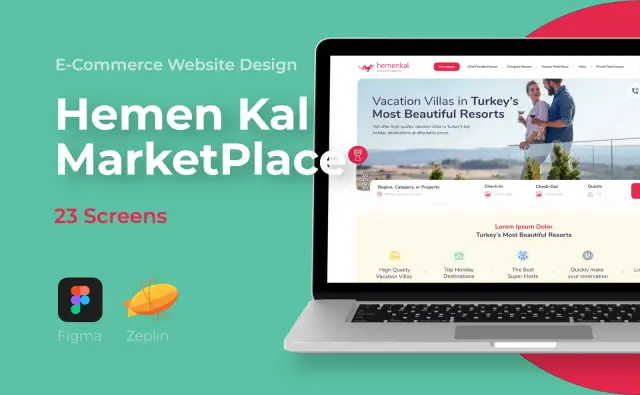
Hemen Kal Market Place
A last-minute accommodation deals platform; a booking experience built for speed.
How it runs
01
Reading the catalogue
Products, attributes and how customers actually search for them are mapped. The category tree grows out of that.
02
Flow design
The path from listing to product, product to cart and cart to checkout is drawn step by step.
03
Interface
Category, product, cart and checkout screens; desktop and mobile together.
04
Setup
Build on the chosen platform, content structure and the search-side scheme.
05
Measure and improve
Funnel steps are measured; wherever loss shows up, that step is fixed.
What I don't do
This is the most misunderstood part of e-commerce, so I'll be explicit.
- I don't commit to a platform, ERP, accounting system or marketplace integration before confirming that side actually allows it. Which system to use is decided together after discovery.
- I don't promise sales volume, conversion rate or revenue growth.
- I don't shoot product photography; that's a separate supplier's work.
- Bulk-generating product descriptions is out of scope — content that helps someone decide is written one at a time.
- Shipping, payment providers and legal processes themselves aren't on my side; the interface and flow are.
Frequently asked
- Which e-commerce platform do you work with?
- I don't name one in advance. Once catalogue size, variant structure, sales model and integration needs are clear, I compare the suitable options with reasons. Choosing the wrong platform is the most expensive thing to correct later.
- Can you migrate our existing store?
- Migration is usually possible, but the list of existing product and category URLs has to be produced first. Permanently redirecting old addresses to their new counterparts is part of the job; otherwise the value built up on the search side is lost.
- Do you handle marketplace integrations?
- Whether an integration is possible depends on the connection that marketplace allows. I check that during discovery and report what I find as it is. I don't promise before checking.
- Do you write the product descriptions?
- Copy for category pages and featured products can be in scope. Bulk-generating descriptions for hundreds of products helps neither you nor the search side; instead I'd suggest building the structure of the fields that actually help people decide.
- Do you guarantee sales will increase?
- No. Product, price, stock and marketing budget aren't under my control. What I commit to is measuring and reducing the obstacles on the path to purchase, and reporting on it.
- How is the project estimate scoped?
- Product variants, categories, payment and shipping connections, migration and content readiness define the scope. Required integrations are specified alongside design. Platform and payment-provider fees are distinguished from design costs.
Guides on this subject
Separating Design Approval from Website Launch Readiness
Approving a website interface does not mean the website is ready to launch.
Related services
Let's talk through the catalogue
Let's look at your product structure and where your current site loses people; I'll tell you plainly what can be fixed.
Book a call