
 selcukaker
Corporate identity design that turns your brand into a system
A logo is only a brand's most visible part. The real work is making everything beside it — colour, typeface, photographic language, document layout — look like it came from the same place. At Creative House, brand work starts with positioning and ends with a guideline people can actually use; an identity without one falls apart within three months. When commissioning a corporate identity designer, request a usage system alongside logo files. I plan colour, typography and brand guidelines around the company’s everyday presentation, catalogue and digital content needs.
Who this is for
- New companies who want the brand built correctly from the start.
- Brands whose visual language has drifted over the years and looks different in every channel.
- Businesses formalising as they grow, who need a consistent guideline.
- Teams about to launch a new product or sub-brand.
What I usually find
- Five versions of the logo are in circulation and nobody knows which is correct.
- Colours don't match between print and screen.
- The typeface differs in every document, so corporate materials don't resemble each other.
- An identity file was delivered but isn't used, because nothing explains how to use it.
- The brand knows what it says but can't state in one sentence why it's different.
Scope and deliverables
Brand scope varies with the situation; the items below are chosen together.
- Positioning: who the brand speaks to, what it promises and why it differs.
- Brand name and tagline — when a new brand or sub-brand is launching.
- Logo design: primary use, horizontal and vertical variants, single-colour and small-scale use.
- Colour system: screen and print equivalents, contrast rules.
- Typography: display and body typefaces, and the scale.
- Visual language: photographic direction, graphic elements and layout logic.
- Applications: business cards, documents, social and digital use.
- Brand guidelines: the rules and correct/incorrect usage, written down.
I make the call; the system speeds it up
Positioning, the logo and the visual language itself are my work, and the final design comes from me.
Meet the AI teamBrand and identity work
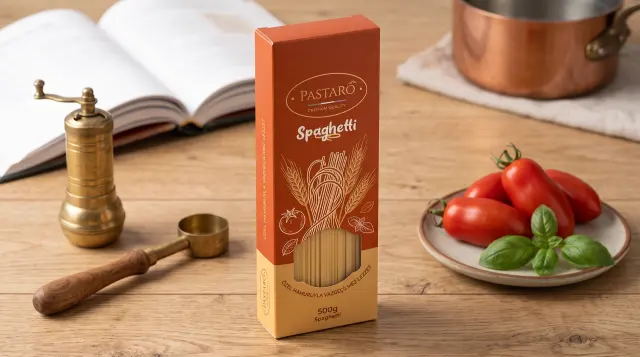
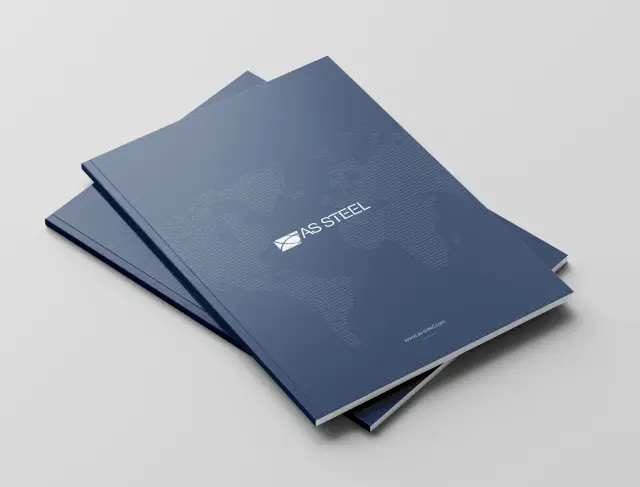
Below are logo, packaging and corporate material projects. Each detail page states the scope.


How it runs
01
Positioning
Who the brand speaks to, what it says and why it differs — design doesn't start until those three are answered in writing.
02
Directions
Several distinct visual directions are prepared and chosen together.
03
Logo and system
The chosen direction opens out into logo, colour, typography and visual language.
04
Application
The system is tested in real channels: documents, digital, print.
05
Guidelines
Rules and examples are written down; the team receives the guideline with the files.
What I don't do
Writing the limits down prevents expectations appearing later.
- Trademark registration and legal protection aren't my work; I'd suggest doing pre-filing research with a trademark attorney.
- I don't guarantee that a name or logo can be registered.
- I don't shoot photography; visual language is defined using existing and to-be-sourced imagery.
- I don't make measured promises about brand awareness — awareness depends on communication budget and continuity.
- I don't pick from stock logo libraries.
Frequently asked
- Can I commission just a logo?
- It can be done, but I don't recommend it. On its own, a logo drifts quickly without the colour and typography decisions around it. At minimum I'd suggest establishing colour, typography and basic usage rules together.
- Do you do naming as well?
- Yes, naming is in scope when a new brand or sub-brand is launching. Registrability research is a trademark attorney's job; I'd suggest commissioning that for the shortlisted candidates.
- What's in the brand guideline?
- Correct and incorrect logo use, clear space and minimum size, colour codes, the typographic scale, visual language direction and application examples. The point is that your team can make the right call without me.
- Can we keep our logo and build the rest around it?
- Yes. In that case the work focuses on the system around the logo: colour, typography, visual language and usage rules. If the logo needs only a technical correction, I'll say that too.
- How is the project estimate scoped?
- Logo requirements, applications, guidelines and editable templates are assessed together. The brief identifies which stationery, proposal, presentation or social templates the team needs. Printing, font licences and trademark registration are separate responsibilities.
Guides on this subject
Decision Notes for a Brand Identity Reference Board
A brand identity reference board should explain decisions rather than simply collect attractive images. Connect every example to a question the company needs to resolve.
Keeping Brand Colour Consistent Across Suppliers
Do not brief different suppliers on brand colour using a code alone. Material, production method and an accepted sample belong in the same approval process.
How Logo, Brand Identity and Corporate Identity Differ
They aren't the same thing: a logo is a mark, brand identity is the visual system around it, and corporate identity is that system applied to real materials. Knowing which you want makes proposals comparable.
What Determines Corporate Identity Design Cost
The gap between identity quotes usually hides in the delivery list. Logo variants, applications, guidelines and naming are what move the number.
Corporate Identity Brief Template and Delivery Checklist
A good brief is the biggest reducer of revision rounds. Questions to answer before starting, and what to check at delivery.
How to Build a Social Media Content Calendar
What creates order on social media is a calendar, not inspiration. Six items from pillars to the approval step.
The Fundamentals of Being Visible in AI Search
A practical review sequence for service-page access, scope, project evidence and internal links, illustrated with the questions a design agency's clients need answered.
Related services
Let's build the brand together
Let's talk about where you stand and where the brand is coming apart.
Book a call