
 selcukaker
Separating Design and Installation in Fleet Graphics
Selçuk AkerPublished:
About 2 minutes to read
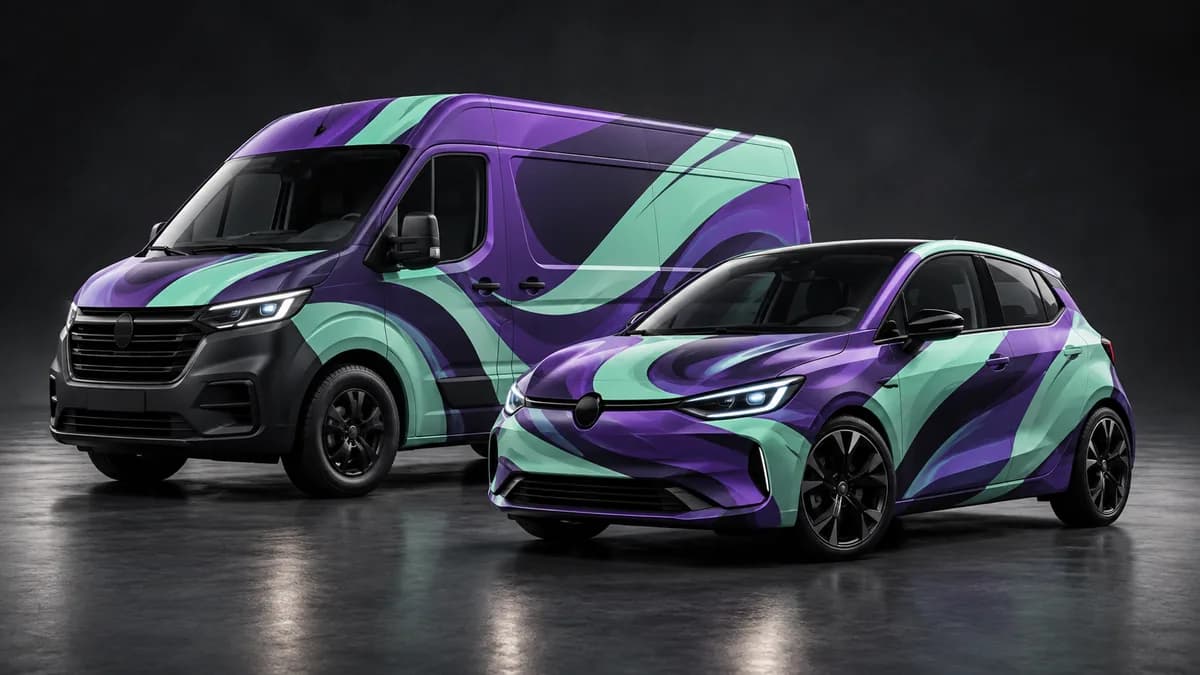
A vehicle fleet can share one visual identity without sharing one production file. Body types, doors and surface dimensions change how artwork fits. Begin a fleet graphics project with an accurate vehicle inventory so quotations and installation schedules reflect the actual work.
Complete the vehicle inventory
Record the model, year, body variant and current photographs for each vehicle. Tell the installer about existing wraps or surface issues. The design team develops the message and layout; the installer verifies measurements and surface suitability. A photographic mock-up does not replace that technical inspection.
Review a pilot vehicle
Before adapting the entire fleet, check the side and rear layouts on one model. A phone number split by a door or a brand name distorted by a curve should be corrected. Repeat the review when the vehicle model changes. Approving one example does not automatically approve every other vehicle.
Manage the operational schedule separately
The company must plan vehicle availability, delivery locations and downtime. Separate design, printing and installation costs when comparing proposals. Include the vehicle model and approval version in production filenames.
Creative House can plan the visual system and adaptations through its graphic design service. Technical installation requirements and surface responsibility should be agreed with the relevant producer. This keeps an attractive presentation distinct from verified, usable production artwork.
Comments
No comments yet. Be the first to write one.